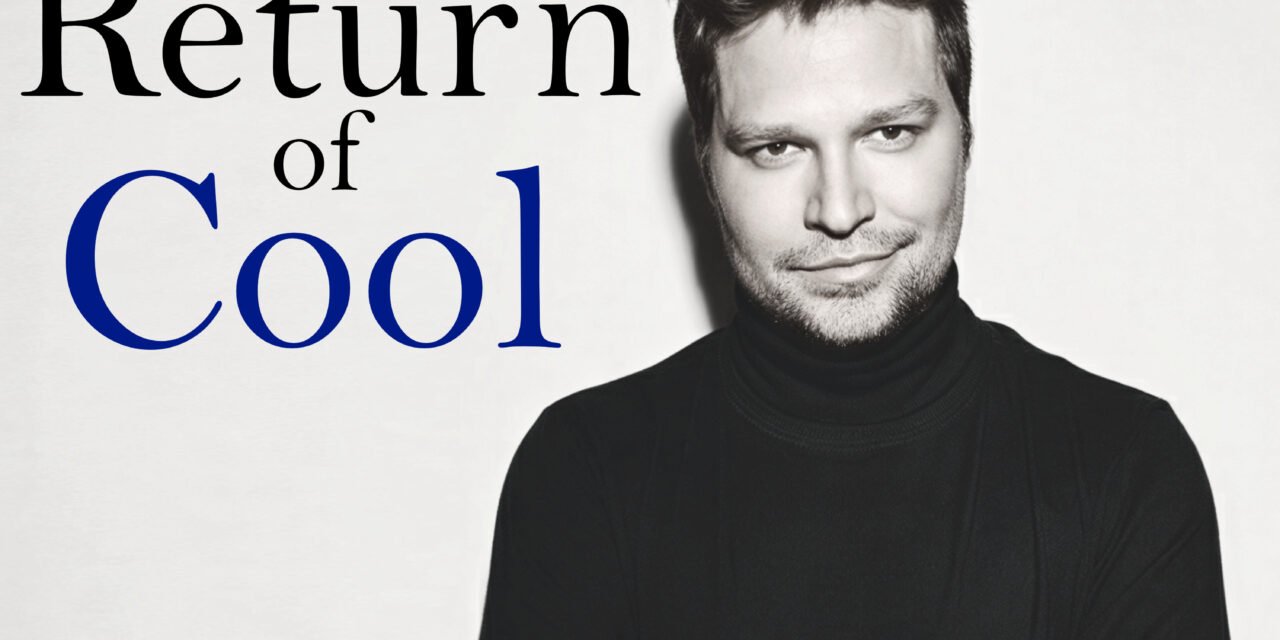
For years, fans have known Landon L. Rogers as a rock‑and‑roll firestarter — a guitarist with grit, a vocalist with bite, and a performer who thrives on high‑voltage energy. That’s why his newest release, The Return of Cool, has stunned both his longtime followers and the broader jazz community. Instead of doubling down on distortion and swagger, Landon has taken a daring left turn into one of jazz’s most refined, understated, and historically demanding subgenres: cool jazz.
And the shock isn’t just that he attempted it. It’s that he nailed it.
A Bold Revival of a Genre That’s Been Quiet for Too Long
Cool jazz hasn’t had a major cultural moment in years. In an era dominated by upbeat funk revivals, lo‑fi bedroom mixes, algorithm‑friendly chill beats, and hyper‑produced pop, the cool‑jazz aesthetic — subtle, spacious, emotionally controlled — has been largely absent from the mainstream conversation.
The Return of Cool changes that.
Landon’s album arrives like a long‑lost breeze from a forgotten era: smooth, confident, and effortlessly stylish. It’s the first notable, conversation‑shifting entry into the cool‑jazz tradition in quite some time, and critics are already calling it a landmark moment — a reminder that jazz can still surprise, still innovate, and still matter.
A Daring Choice in a World Obsessed with Loud Trends
Choosing cool jazz in 2026 is not a safe move. It’s not trendy. It’s not algorithm‑approved. It’s not what the industry is pushing.
And that’s exactly why it works.
Landon’s decision to step away from the bombast of rock and roll and into the controlled elegance of cool jazz shows a level of artistic courage that’s becoming increasingly rare. He’s not chasing the moment — he’s challenging it. In a musical landscape where everything is expected to be louder, faster, and more “viral,” Landon leans into restraint, nuance, and emotional intelligence.
It’s a flex — just not the kind people expected.
A Showcase of Musicianship: Guitarist, Pianist, Composer
What truly elevates The Return of Cool is how clearly it reveals Landon’s depth as a musician. Fans already knew he could shred a guitar, but this album widens the lens:
- His piano work is fluid, expressive, and surprisingly mature, weaving through the arrangements with a calm confidence that anchors the album’s tone.
- His compositions show a sophisticated understanding of space, harmony, and melodic architecture — the kind of writing that rewards both casual listeners and jazz purists.
- His arrangements balance modern clarity with vintage warmth, proving he’s not just dabbling in cool jazz; he’s contributing to it.
This isn’t a rock artist “trying jazz.” This is a musician revealing the full scope of his craft.
A Potential Last Great Jazz Album Before the AI Era
There’s a bittersweet undercurrent to the album’s reception. As AI‑generated music becomes more prevalent — especially in jazz, where improvisation algorithms are advancing rapidly — many critics are calling The Return of Cool a potential last great human‑crafted jazz statement before the genre enters a new, uncertain phase.
It’s not just an album. It’s a timestamp. A reminder of what human touch, intuition, and lived emotion sound like before the machines fully arrive.
If that prediction holds true, Landon’s record won’t just be remembered as a comeback for cool jazz — it will be remembered as one of the final masterpieces of the pre‑AI era.
Final Word
The Return of Cool is more than a stylistic pivot. It’s a declaration. A reinvention. A love letter to a genre that deserved a revival — and an artist bold enough to bring it back.
Landon L. Rogers didn’t just surprise the jazz world. He reawakened it.
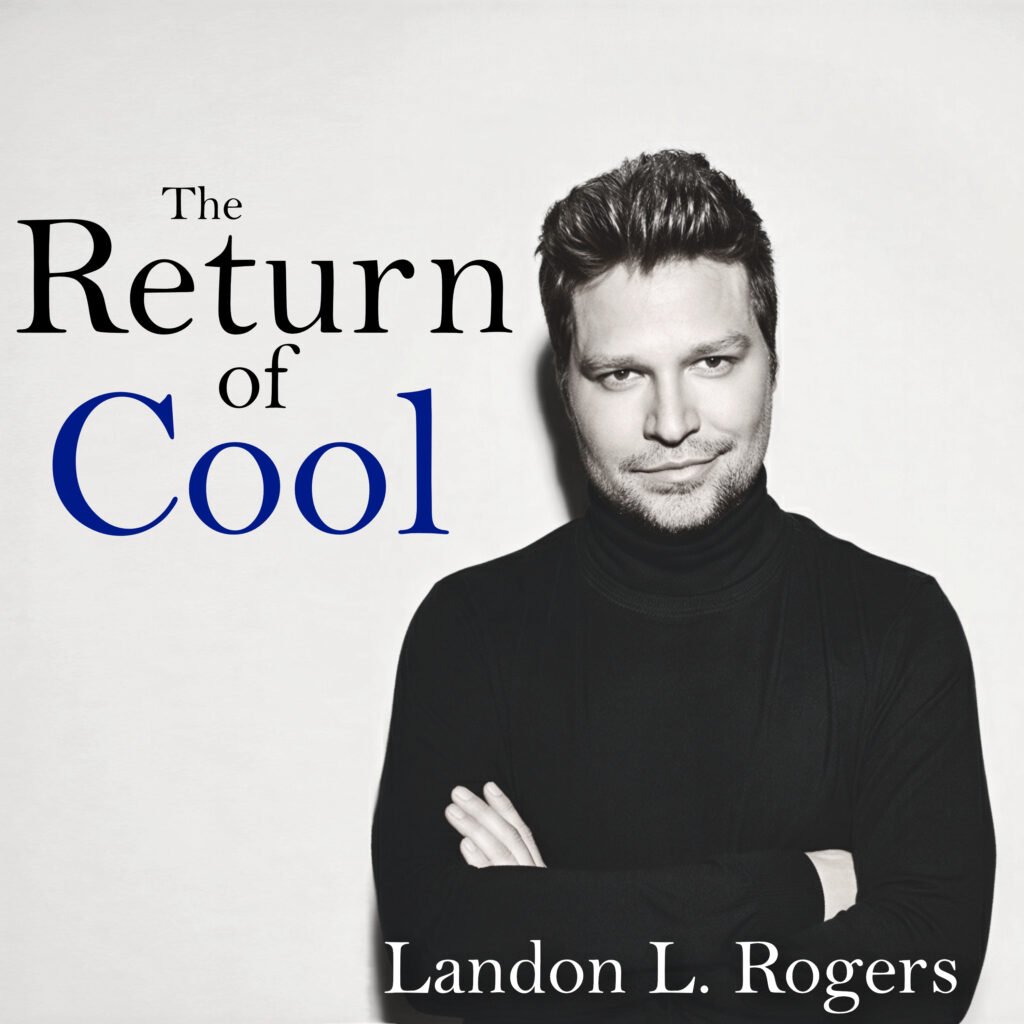
Landon L. Rogers Jazz Musician Album The Return of Cool